
The Five Elements in Feng Shui: Wood, Fire, Earth, Metal, Water
Key Takeaways
The Five Elements — Wood, Fire, Earth, Metal, and Water — are the building blocks of feng shui. They interact through two cycles: the generating cycle (Wood feeds Fire, Fire creates Earth, Earth bears Metal, Metal collects Water, Water nourishes Wood) and the controlling cycle (Wood parts Earth, Earth dams Water, Water extinguishes Fire, Fire melts Metal, Metal chops Wood). Balancing these elements in your space creates harmony.
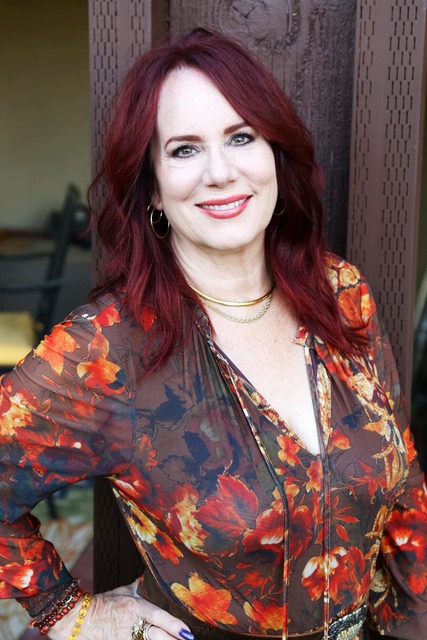
Autumn Moon
Practitioner & Guide
In feng shui, everything in the physical world — every color, shape, material, and direction — belongs to one of Five Elements: Wood, Fire, Earth, Metal, and Water. These aren't literal substances. They're categories of energy. Understanding the Five Elements is what separates surface-level feng shui (move your couch, add a plant) from authentic practice, because the elements interact in predictable cycles that either nourish or control each other.
Why the Five Elements Matter
Your home already contains all five elements — wood furniture, fire from candles or a stove, earth from ceramics, metal in fixtures, water from sinks and fountains. The question is whether they're balanced. Too much of one element creates imbalance; too little creates weakness. A skilled feng shui practitioner reads the elemental balance of a space and adjusts it using the generating and controlling cycles.
The Five Elements Explained
Wood (木) — Growth and Vitality
Wood represents growth, expansion, new beginnings, and vitality. It's the energy of spring, of morning, of things pushing upward. Colors: green, teal. Shapes: columnar, tall, rectangular. Materials: living plants, wood furniture, bamboo, paper. Direction: East and Southeast. Use it for: new projects, family harmony, wealth, health, breaking out of stagnation.
Fire (火) — Passion and Visibility
Fire represents passion, recognition, expansion, and illumination. It's the energy of summer, of noon, of things at their peak. Colors: red, orange, bright pink, purple. Shapes: triangular, pointed, angular. Materials: candles, lighting, electronics, animal prints. Direction: South. Use it for: fame, reputation, passion, visibility, warming a cold space. Use sparingly — too much Fire creates anxiety and burnout.
Earth (土) — Stability and Nourishment
Earth represents stability, nourishment, grounding, and protection. It's the energy of late summer, of transition, of things settling. Colors: yellow, beige, terracotta, brown, earth tones. Shapes: square, flat, low. Materials: ceramics, stone, brick, adobe, crystals. Direction: Center, Southwest, Northeast. Use it for: grounding, stability, relationships, health, knowledge, calming an overactive space.
Metal (金) — Precision and Clarity
Metal represents precision, clarity, efficiency, and completion. It's the energy of autumn, of afternoon, of things being refined to their essence. Colors: white, gray, metallic. Shapes: round, spherical, arched. Materials: metal fixtures, steel, iron, copper, gold, silver. Direction: West and Northwest. Use it for: focus, clarity, completing projects, helpful people, creativity, cutting through confusion.
Water (水) — Flow and Wisdom
Water represents flow, wisdom, communication, and career. It's the energy of winter, of night, of things going inward and still. Colors: black, deep blue. Shapes: wavy, undulating, free-form. Materials: fountains, aquariums, mirrors, glass. Direction: North. Use it for: career, wisdom, cash flow, communication, washing away stagnation. Water is powerful but must be contained — uncontrolled water creates overwhelm.
The Generating Cycle (生)
In the generating (Sheng) cycle, each element nourishes and feeds the next:
Wood feeds Fire → Fire creates Earth (ash) → Earth bears Metal (ore) → Metal collects Water (condensation) → Water nourishes Wood (roots).
Use this cycle when you want to strengthen an element. If a room needs more Fire energy, add Wood (a plant) to feed it. If you need more Earth, add Fire (a candle, warm lighting).
The Controlling Cycle (克)
In the controlling (Ke) cycle, each element restrains and controls another:
Wood parts Earth (roots break soil) → Earth dams Water → Water extinguishes Fire → Fire melts Metal → Metal chops Wood.
Use this cycle when an element is too strong. If a room has too much Fire (red walls, south-facing, lots of electronics), add Water (a mirror, dark colors, a fountain) to control it.
How to Balance the Elements in Your Home
Walk through each room and notice which elements dominate. A kitchen is naturally high in Fire (stove) and Metal (appliances) — it needs Earth (ceramics, stone counters) and a little Water (a small fountain or mirror) to balance. A bedroom should be Yin — more Earth and Water, less Fire. A home office benefits from Wood (growth) and Metal (focus).
The goal isn't equal amounts of every element. It's the right balance for the function of each space and the needs of its occupants. Your BaZi chart reveals which elements you personally need more or less of — this is why a personalized consultation is more effective than generic tips.
A Simple Exercise
Pick one room. Identify the dominant element (what do you see most of?). Then ask: does this element support the room's purpose? A bedroom dominated by Metal (white walls, metal bed frame, minimal decor) may feel cold and ungrounded — add Earth tones and a little Wood. An office with too much Water (dark colors, lots of glass) may feel unfocused — add Metal and Wood.
For a personalized Five Elements analysis of your home and chart, book a consultation. I serve clients in Utah in person and worldwide via video.
Frequently Asked Questions
What are the Five Elements in feng shui?+
The Five Elements in feng shui are Wood, Fire, Earth, Metal, and Water. Each represents a category of energy: Wood is growth, Fire is passion, Earth is stability, Metal is clarity, and Water is flow. Every color, shape, material, and direction belongs to one of these elements.
How do the feng shui elements interact?+
The Five Elements interact through two cycles. In the generating cycle, each element feeds the next: Wood feeds Fire, Fire creates Earth, Earth bears Metal, Metal collects Water, Water nourishes Wood. In the controlling cycle, each element restrains another: Wood parts Earth, Earth dams Water, Water extinguishes Fire, Fire melts Metal, Metal chops Wood.
Which feng shui element is best for wealth?+
Wood is the primary element for wealth and abundance in feng shui, representing growth and expansion. Water is also important because it feeds Wood in the generating cycle and governs the flow of opportunity. The southeast area of your home (the wealth area) benefits from healthy plants (Wood) and water features.
How do I know which feng shui element I need?+
Your personal elemental needs are determined by your BaZi (Chinese astrology) chart, which is calculated from your birth date and time. A feng shui consultation that includes your BaZi chart reveals which elements you need more of and which to reduce in your living space.
Continue Reading
What Is Feng Shui? A Complete Beginner's Guide
Feng Shui is the ancient Chinese art of arranging your environment to harmonize energy flow. Learn what feng shui is, how it works, and how to start using it.
Read MoreThe Bagua Map Explained: 9 Areas of Your Home
The feng shui Bagua map divides your home into 9 life areas: Wealth, Fame, Relationships, Family, Health, Creativity, Knowledge, Career, and Helpful People. Learn how to use it.
Read MoreYin and Yang: The Foundation of Feng Shui
Yin and yang are the complementary forces that underpin all of feng shui. Learn what yin and yang mean, how they interact, and how to balance them in your home.
Read MoreAbout the Author
Autumn Jensen
Classical Feng Shui Consultant · Chinese Astrology (BaZi) Practitioner · Holy Fire III Reiki Master
Autumn Jensen is the founder of Autumn Moon LLC, based in Lehi, Utah. With over 15 years of clinical practice, she integrates Classical (Form and Compass) Feng Shui, BaZi Chinese Astrology, Holy Fire III Reiki, and permanent cosmetics artistry into a holistic approach to space, energy, and self. She serves clients in person across the Wasatch Front and virtually worldwide.