What Is Feng Shui? A Complete Beginner's Guide
Key Takeaways
Feng shui is a 3,500-year-old Chinese practice of arranging your environment so chi (life-force energy) flows smoothly. Its core tools are the commanding position, the Five Elements (Wood, Fire, Earth, Metal, Water), and the Bagua map. Classical (Compass) feng shui personalizes recommendations using your home's compass direction, the year it was built, and your BaZi chart — unlike Western feng shui, which applies one fixed grid to every space.
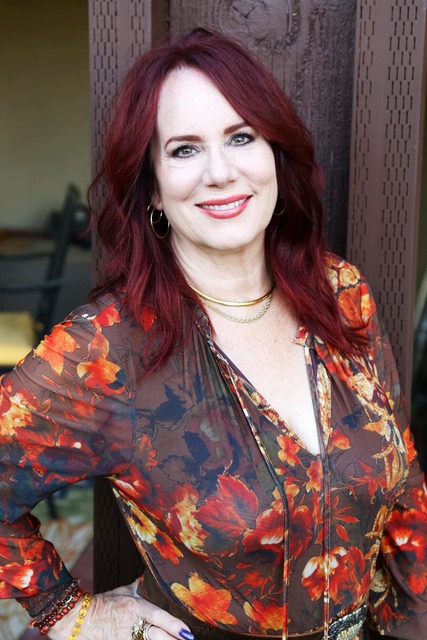
Autumn Moon
Practitioner & Guide
Feng Shui (风水) translates to "wind-water" — the two natural forces that shape the flow of chi, or life-force energy, through any space. At its core, feng shui is the ancient Chinese practice of arranging your environment to create harmony between people and the spaces they inhabit. It's not superstition, and it's not magic. It's a 3,500-year-old system of observing how physical surroundings influence human experience.
The fundamental premise is simple: your environment shapes you. When energy flows freely through a space, the people in it feel clearer, more supported, and more alive. When energy is blocked, stagnant, or rushing, you feel it — as fatigue, friction, or a sense that something is "off" even when you can't name it.
Where Feng Shui Comes From
Feng Shui originated in ancient China as a practical discipline for siting graves, homes, and entire cities. Early practitioners studied how mountains, rivers, wind patterns, and sunlight affected the people who lived among them. Over centuries, this environmental observation merged with Chinese cosmology — the concepts of yin and yang, the Five Elements, and the flow of chi — to form a sophisticated system for designing spaces that support human life.
Several major schools developed over time. Form School (the oldest) reads the physical landscape — landforms, roads, waterways. Compass School adds precise directional calculations using a luopan (Chinese compass) and includes systems like the Kua Number and Flying Stars. Black Hat Sect, developed in the 1980s, simplifies feng shui by overlaying a fixed Bagua map aligned to the front door rather than compass directions. I practice Classical Feng Shui, which integrates Form and Compass methods for the most accurate, personalized readings.
The Core Principles
Chi (Qi): The Energy That Flows
Chi is the life-force energy that moves through everything — your body, your home, your garden. In feng shui, we work with three qualities of chi: Sheng chi (vital, nourishing energy that you want to cultivate), Sha chi (sharp, attacking energy from things like harsh angles or direct pathways), and Si chi (stagnant, decaying energy from clutter and neglect). The goal is to invite sheng chi in, redirect sha chi, and clear si chi.
The Commanding Position
This is the most practical feng shui concept you can apply today. The commanding position is the spot in any room where you feel most in control and supported — usually the corner farthest from the door, but not directly in line with it. Place your bed, desk, and stove in the commanding position of their respective rooms. This single principle shifts how you feel in your space more than any other.
The Five Elements
Wood, Fire, Earth, Metal, and Water are the building blocks of feng shui. Each element carries a specific quality of energy, and they interact through two cycles: generating (Wood feeds Fire, Fire creates Earth, Earth bears Metal, Metal collects Water, Water nourishes Wood) and controlling (Wood parts Earth, Earth dams Water, Water extinguishes Fire, Fire melts Metal, Metal chops Wood). Balancing these elements in your space creates harmony. Read the full guide: The Five Elements in Feng Shui.
The Bagua Map
The Bagua (八卦) is an eight-sided energy map overlaid on your floor plan. It divides any space into nine zones, each governing an area of life: Wealth, Fame & Reputation, Relationships, Family, Health, Creativity & Children, Knowledge & Self-Cultivation, Career, and Helpful People & Travel. By understanding which zone of your home corresponds to which life area, you can make targeted adjustments. See The Bagua Map Explained for the full breakdown.
How to Start Practicing Feng Shui Today
You don't need a compass or a master to begin. Three foundational steps will shift your space immediately:
1. Clear the clutter. Clutter is stagnant energy. Every item you're tolerating but not using is draining chi from your space. Start with one room. Remove anything broken, unused, or that carries a negative association.
2. Fix your front door. The front door is the "mouth of chi" — where energy enters your home. Make sure it opens fully, is clean, well-lit, and welcoming. Clear anything blocking the path inside.
3. Position your key furniture in the commanding position. Bed, desk, and stove. You should be able to see the door from where you sit or sleep, without being directly in its line.
Common Misconceptions
Feng shui is not about hanging crystals for luck, painting your door red for wealth, or buying specific objects to "activate" a corner. Those are superstitions that have attached themselves to the practice. Authentic feng shui is about understanding the energetic relationship between you and your space, then making deliberate adjustments based on classical principles and your personal chart. It's practical, observable, and deeply personal.
It's also not a religion. Feng shui operates on environmental and energetic principles that anyone can work with regardless of belief system. The "wind" and "water" in its name refer to the natural forces that carry chi — and those forces don't care what you believe. They simply flow.
Why I Practice Classical Feng Shui
I use Classical (Form and Compass) Feng Shui because it's the most accurate and personalized approach. It accounts for the actual compass direction your home faces, the year it was built, and your personal BaZi chart. Generic feng shui tips can help, but a classical consultation reveals the specific adjustments that will shift your space — not just any space.
If you're ready to go deeper, I offer in-person consultations in Utah and virtual consultations worldwide. Or start with the Feng Shui Element Quiz to discover which element you need most right now.
Frequently Asked Questions
What is feng shui in simple terms?+
Feng shui is the ancient Chinese practice of arranging your physical environment so that energy (chi) flows smoothly, creating harmony between you and your space. It uses principles like the commanding position, the Five Elements, and the Bagua map to guide placement of furniture, colors, and objects.
Does feng shui actually work?+
Feng shui works by optimizing the relationship between people and their environment. While it is not a science in the Western empirical sense, its principles — clear pathways, natural light, uncluttered spaces, supportive furniture placement — align with environmental psychology and design principles that demonstrably affect mood, focus, and wellbeing.
What are the basic rules of feng shui?+
The core feng shui rules are: keep the front door (mouth of chi) clear and welcoming, place your bed desk and stove in the commanding position (farthest from the door but not directly in line with it), remove clutter to allow energy to flow, and balance the Five Elements (Wood Fire Earth Metal Water) throughout your space.
What is the difference between feng shui and interior design?+
Interior design focuses on aesthetics and function. Feng shui focuses on the energetic flow and the relationship between a person and their space. The two complement each other — a space can be beautiful and energetically aligned, but feng shui considers factors interior design does not, such as compass direction, elemental balance, and the occupant's personal energy chart.
Do I need to be Chinese or Buddhist to practice feng shui?+
No. Feng shui is an environmental practice based on natural energy principles, not a religion. It works regardless of your cultural background or belief system. The wind and water that carry chi do not discriminate.
Continue Reading
The Bagua Map Explained: 9 Areas of Your Home
The feng shui Bagua map divides your home into 9 life areas: Wealth, Fame, Relationships, Family, Health, Creativity, Knowledge, Career, and Helpful People. Learn how to use it.
Read MoreThe Five Elements in Feng Shui: Wood, Fire, Earth, Metal, Water
The Five Elements — Wood, Fire, Earth, Metal, and Water — are the building blocks of feng shui. Learn what each element represents and how to balance them in your home.
Read MoreYin and Yang: The Foundation of Feng Shui
Yin and yang are the complementary forces that underpin all of feng shui. Learn what yin and yang mean, how they interact, and how to balance them in your home.
Read MoreAbout the Author
Autumn Jensen
Classical Feng Shui Consultant · Chinese Astrology (BaZi) Practitioner · Holy Fire III Reiki Master
Autumn Jensen is the founder of Autumn Moon LLC, based in Lehi, Utah. With over 15 years of clinical practice, she integrates Classical (Form and Compass) Feng Shui, BaZi Chinese Astrology, Holy Fire III Reiki, and permanent cosmetics artistry into a holistic approach to space, energy, and self. She serves clients in person across the Wasatch Front and virtually worldwide.