
Feng Shui for the Living Room: How to Gather Good Energy
Autumn Moon
Practitioner & Guide
The living room is the social heart of your home. It's where family gathers, guests are welcomed, and connections are nurtured. In feng shui, it represents the active, Yang energy of community and relationship — a counterpoint to the private, Yin energy of the bedroom. When the living room's chi flows well, relationships feel easy and supported. When it's blocked, you may notice tension, isolation, or a sense that nobody wants to linger.
The Commanding Position for the Sofa
Just as the bed anchors the bedroom, the sofa anchors the living room. The sofa should be in the commanding position: facing the main entrance to the room, but not directly in line with it. You should be able to see the door while seated, without being in the path of incoming chi. This creates a feeling of safety and control — the foundation of relaxation.
If your sofa has its back to the door and you can't move it, place a console table behind it with a lamp or a row of low plants. This creates a "backing" — a sense of support — and redirects chi around the sofa rather than hitting you from behind.
Never place the sofa under a beam. Exposed beams press down on whoever sits beneath them, creating a feeling of pressure and constriction. If you can't avoid it, hang a cloth canopy or install lighting that draws the eye away from the beam.
Arranging for Conversation, Not TV
The most common living room mistake is arranging all furniture to face the television. This kills social energy. Instead, arrange seating so people can face each other. A U-shaped or L-shaped arrangement — sofa plus two chairs angled toward it — invites conversation and connection. The TV should not be the focal point of the room; if possible, place it in a cabinet or mount it where it can be hidden when not in use.
The Five Elements in the Living Room
A balanced living room contains all Five Elements. You don't need to force them — most living rooms already have several. Consciously add what's missing:
Wood: Plants (the single best addition to any living room), wooden furniture, green accents.
Fire: Candles, a fireplace, warm lighting, red or orange accents.
Earth: Ceramic vases, stone, pottery, square shapes, yellow or earthy tones.
Metal: Metallic frames, round shapes, white or gray accents.
Water: A small fountain, a mirror (mirrors represent Water), dark colors, or curvy, flowing shapes.
When all five are present, the room feels complete and harmonious. When one dominates, the energy becomes unbalanced — too much Metal feels cold, too much Fire feels agitating.
Clear the Pathways
Chi flows along the paths you create. In the living room, the main pathway from the door should be clear and wide enough for two people to walk side by side. Furniture should not block the natural flow. If you have to squeeze past a coffee table or sidestep a chair, chi is being constricted. Pull furniture slightly away from walls to let energy circulate behind it.
Lighting and Air
Living rooms need layered lighting: ambient (overhead), task (reading lamps), and accent (uplights, candles). A single harsh overhead light creates flat, aggressive energy. Use warm bulbs and multiple light sources at different heights.
Air quality matters. Open windows regularly. Add a healthy plant — a pothos, rubber tree, or peace lily — to bring in fresh Wood energy and literally filter the air. Avoid dead or dying plants, which emit stagnant chi.
The Coffee Table
The coffee table should be proportionate to the sofa — not so large it overwhelms the space, not so small it feels insignificant. Round or oval tables are ideal because they lack sharp corners (sha chi). If you have a rectangular or square table, soften the corners with a tablecloth, a plant, or a decorative object. Keep the surface mostly clear — a single stack of books, a small plant, or a candle is enough.
Mirrors in the Living Room
Mirrors are powerful in the living room because they double whatever they reflect. Place a mirror to reflect a beautiful view, a window, or an abundance-enhancing feature like a plant or fountain. Never place a mirror directly facing the front door (it bounces incoming chi back out) or reflecting a cluttered or dark area (it doubles the negative energy). See the Bagua map to understand which wall corresponds to which life area before placing mirrors.
Common Living Room Mistakes
1. Sofa with its back to the door — creates vulnerability and unease.
2. All furniture facing the TV — kills social energy and connection.
3. Cluttered surfaces and overflowing shelves — stagnant chi.
4. Dead plants or dried flowers — represent declining energy. Remove them.
5. Blocking the pathway from the door — constricts the flow of incoming energy.
For a full living room assessment, book a consultation. I work with clients in Utah and worldwide.
Frequently Asked Questions
Where should I place my sofa in feng shui?+
Place the sofa in the commanding position: facing the main entrance to the room but not directly in line with the door. You should be able to see the door while seated. This creates a feeling of safety and control. If the sofa must have its back to the door, place a console table behind it with a lamp to create backing and support.
Should the living room face the TV?+
No. Arranging all furniture to face the television kills social energy. Instead, arrange seating so people can face each other in a U-shaped or L-shaped configuration. The TV should not be the focal point. If possible, place it in a cabinet or mount it where it can be hidden when not in use.
What plants are best for a feng shui living room?+
Healthy, vibrant plants with rounded leaves are ideal — pothos, rubber trees, peace lilies, and jade plants. They bring fresh Wood energy and filter the air. Avoid plants with sharp thorns or spikes, and remove any dead or dying plants immediately, as they emit stagnant chi.
Where should mirrors be placed in a living room?+
Place mirrors to reflect something beautiful — a window, a plant, or a pleasant view. Mirrors double whatever they reflect. Never place a mirror directly facing the front door, as it bounces incoming energy back out, and never place one reflecting clutter or a dark corner.
What shape coffee table is best for feng shui?+
Round or oval coffee tables are ideal because they lack sharp corners, which can create cutting energy (sha chi). If you have a rectangular or square table, soften the corners with a tablecloth, a plant, or a decorative object. Keep the surface mostly clear.
Continue Reading
What Is Feng Shui? A Complete Beginner's Guide
Feng Shui is the ancient Chinese art of arranging your environment to harmonize energy flow. Learn what feng shui is, how it works, and how to start using it.
Read MoreThe Bagua Map Explained: 9 Areas of Your Home
The feng shui Bagua map divides your home into 9 life areas: Wealth, Fame, Relationships, Family, Health, Creativity, Knowledge, Career, and Helpful People. Learn how to use it.
Read MoreThe Five Elements in Feng Shui: Wood, Fire, Earth, Metal, Water
The Five Elements — Wood, Fire, Earth, Metal, and Water — are the building blocks of feng shui. Learn what each element represents and how to balance them in your home.
Read MoreAbout the Author
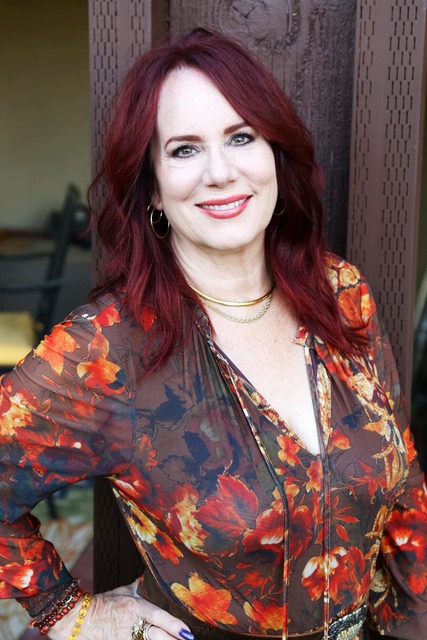
Autumn Jensen
Classical Feng Shui Consultant · Chinese Astrology (BaZi) Practitioner · Holy Fire III Reiki Master
Autumn Jensen is the founder of Autumn Moon LLC, based in Lehi, Utah. With over 15 years of clinical practice, she integrates Classical (Form and Compass) Feng Shui, BaZi Chinese Astrology, Holy Fire III Reiki, and permanent cosmetics artistry into a holistic approach to space, energy, and self. She serves clients in person across the Wasatch Front and virtually worldwide.