Classical vs Western Feng Shui: Which Approach Is Right for You?
Key Takeaways
Classical (Compass) feng shui aligns the Bagua to magnetic compass direction, uses the home's construction year for Flying Stars, and personalizes readings with the occupant's Kua Number and BaZi — so two identical houses facing different directions get different readings. Western (Black Hat) feng shui aligns the Bagua to the front door (far-left is always wealth), needs no compass or birth data, and applies one fixed grid to every space. Classical is precise and personalized; Western is simple and accessible.
Autumn Moon
Practitioner & Guide
If you've read more than one feng shui book or blog, you've probably noticed that different sources give contradictory advice. One says your wealth corner is the far-left from your front door. Another says it depends on the compass direction. One says to align the Bagua to your entrance. Another says to align it to magnetic north.
They're not all wrong — they're using different schools of feng shui. The two most common approaches today are Classical Feng Shui (also called Traditional or Compass School) and Western Feng Shui (most commonly the Black Hat Sect Tantric Buddhist school). Understanding the difference helps you choose the approach that will actually work for your space.
Classical vs Western Feng Shui: Quick Comparison
| Factor | Classical (Compass) | Western (Black Hat) |
|---|---|---|
| Bagua alignment | Compass direction (SE = wealth) | Front door (far-left = wealth) |
| Uses compass? | Yes (luopan) | No |
| Construction year used? | Yes (natal Flying Stars) | No |
| Birth data used? | Yes (Kua Number / BaZi) | No |
| Time-based changes? | Yes (annual Flying Stars) | No |
| Personalization | High — unique per home & person | Low — same grid for everyone |
| Best for | Precision & long-term results | Beginners & quick adjustments |
Classical Feng Shui: The Original System
Classical Feng Shui is the original practice, developed over 3,500 years in China. It encompasses several sub-schools — Form School (reading the physical landscape), Compass School (using a luopan compass for precise directional calculations), and Flying Stars (tracking annual energy shifts). What unites them is that they all use compass directions as the foundation.
In Classical Feng Shui, the Bagua is aligned to the actual magnetic compass direction your home faces. The wealth corner isn't always the far-left from the door — it's the southeast, regardless of where your door is. The analysis also factors in the year your home was built (which determines the natal Flying Stars chart) and the occupant's personal Kua Number based on their birth year and gender.
This means two identical houses facing different directions get completely different readings. And the same house affects two people differently based on their personal charts. It's highly personalized and precise — but it requires knowledge of compass directions, construction dates, and individual birth data.
Western (Black Hat) Feng Shui: The Simplified System
Black Hat Sect Tantric Buddhist (BTB) Feng Shui was developed by Grandmaster Thomas Lin Yun in the 1980s in the West. It simplified Classical Feng Shui to make it more accessible to Western practitioners. The most significant change: the Bagua is aligned to the front door, not to compass directions.
In BTB feng shui, you always stand at the front door looking into the house. The far-left corner is always the wealth area. The far-right is always relationships. The center-front is always career. This is fixed regardless of which direction the house faces.
BTB also incorporates Western psychology, intuition, and intention-setting (what it calls "transcendental cures"). It's less technical and more accessible. You don't need a compass, a construction date, or birth data to practice it.
Key Differences at a Glance
Orientation: Classical uses compass directions (magnetic north). BTB uses the front door as the reference point.
Bagua placement: Classical aligns the Bagua to compass directions (e.g., wealth is always southeast). BTB aligns the Bagua to the entrance (wealth is always far-left from the door).
Personalization: Classical factors in the occupant's Kua Number and BaZi chart, plus the home's construction year. BTB uses a one-size-fits-all approach.
Time dimension: Classical tracks annual Flying Stars and 20-year periods. BTB doesn't factor in time-based energy shifts.
Tools needed: Classical requires a compass (luopan) and birth data. BTB requires only your floor plan and front door.
Philosophy: Classical is based on ancient Chinese cosmology and environmental observation. BTB blends feng shui with Western psychology, Tibetan Buddhism, and intention-setting.
Which One Works Better?
This is where it gets nuanced. Both can produce positive results because they share foundational principles: clear pathways, clutter removal, the commanding position, and the Five Elements. A cluttered home with blocked energy will improve under either system.
However, for specific results — "Why is this particular room affecting my health?" or "When will this financial blockage lift?" — Classical Feng Shui offers precision that BTB cannot. The compass-based approach reveals patterns that the fixed Bagua misses. If two people in the same house have different health issues, Classical Feng Shui can explain why (different Kua Numbers, different personal directions). BTB would give both people the same advice.
That said, BTB is excellent for beginners and for those who want a quick, intuitive approach without investing in tools or consultations. Many practitioners use BTB principles as a starting point and graduate to Classical methods for deeper work.
My Approach: Classical, With Respect for Both
I practice Classical (Form and Compass) Feng Shui because I've seen it produce more specific, more lasting results — especially for clients navigating major transitions. When someone's yin and yang balance, elemental needs, and timing are all factored in, the adjustments we make are targeted rather than generic.
But I don't dismiss BTB. Many of its principles — intention-setting, the psychological dimension of space, the power of symbolic cures — are valuable. I incorporate the best of both while relying on Classical methods for the technical analysis.
If you're deciding which approach to use, here's my recommendation: start with BTB if you're new and want quick wins. Move to Classical when you're ready for precision and personalization. And if you want to go straight to the source, read my detailed comparison of all three schools.
Book a consultation to experience Classical Feng Shui applied to your specific space and chart.
Frequently Asked Questions
What is the main difference between Classical and Western feng shui?+
Classical feng shui aligns the Bagua map to magnetic compass directions and factors in the home's construction year and the occupant's personal Kua Number. Western (Black Hat) feng shui aligns the Bagua to the front door and uses a fixed layout regardless of compass direction. Classical is more personalized; Western is more accessible.
Is Black Hat feng shui real feng shui?+
Black Hat Sect Tantric Buddhist feng shui is a legitimate school developed in the 1980s. It simplifies Classical feng shui by removing compass calculations and incorporates Western psychology and intention-setting. It's real, but it's a modern adaptation rather than the original traditional system.
Which feng shui school should I choose?+
If you're new to feng shui and want quick, accessible results, Western (Black Hat) feng shui is a good starting point. If you want precise, personalized analysis that accounts for your home's direction, construction year, and your personal energy chart, Classical feng shui is the better choice.
Does Classical feng shui require a compass?+
Yes. Classical feng shui uses a Chinese compass called a luopan to determine the facing direction of your home, which determines how the Bagua and Flying Stars are mapped. A standard compass can also work for basic orientation.
Continue Reading
Classical vs. Black Hat vs. Form School Feng Shui: What's the Difference?
Not all feng shui is the same. Learn the difference between Classical, Black Hat, and Form School feng shui — and which approach is right for your space.
Read MoreWhat Is Feng Shui? A Complete Beginner's Guide
Feng Shui is the ancient Chinese art of arranging your environment to harmonize energy flow. Learn what feng shui is, how it works, and how to start using it.
Read MoreThe Bagua Map Explained: 9 Areas of Your Home
The feng shui Bagua map divides your home into 9 life areas: Wealth, Fame, Relationships, Family, Health, Creativity, Knowledge, Career, and Helpful People. Learn how to use it.
Read MoreAbout the Author
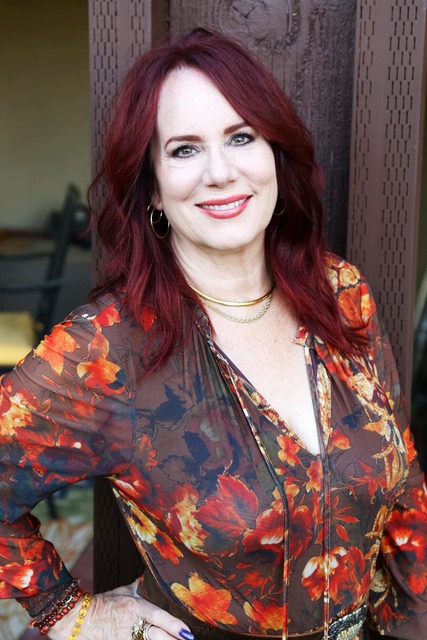
Autumn Jensen
Classical Feng Shui Consultant · Chinese Astrology (BaZi) Practitioner · Holy Fire III Reiki Master
Autumn Jensen is the founder of Autumn Moon LLC, based in Lehi, Utah. With over 15 years of clinical practice, she integrates Classical (Form and Compass) Feng Shui, BaZi Chinese Astrology, Holy Fire III Reiki, and permanent cosmetics artistry into a holistic approach to space, energy, and self. She serves clients in person across the Wasatch Front and virtually worldwide.